|
TLDR
The AI look is not a quality problem. It is the absence of imperfection, and you can add that back on purpose to make your work read as real.
• People recognize AI images in a second, from a handful of specific tells.
• The biggest one is flawlessness: no texture, perfect symmetry, an over-saturated glow.
• Real images carry imperfection: grain, asymmetry, soft focus, mundane detail.
• The fix is to ask for that imperfection directly, and add a little back in the edit.
|
|
•••
|
|
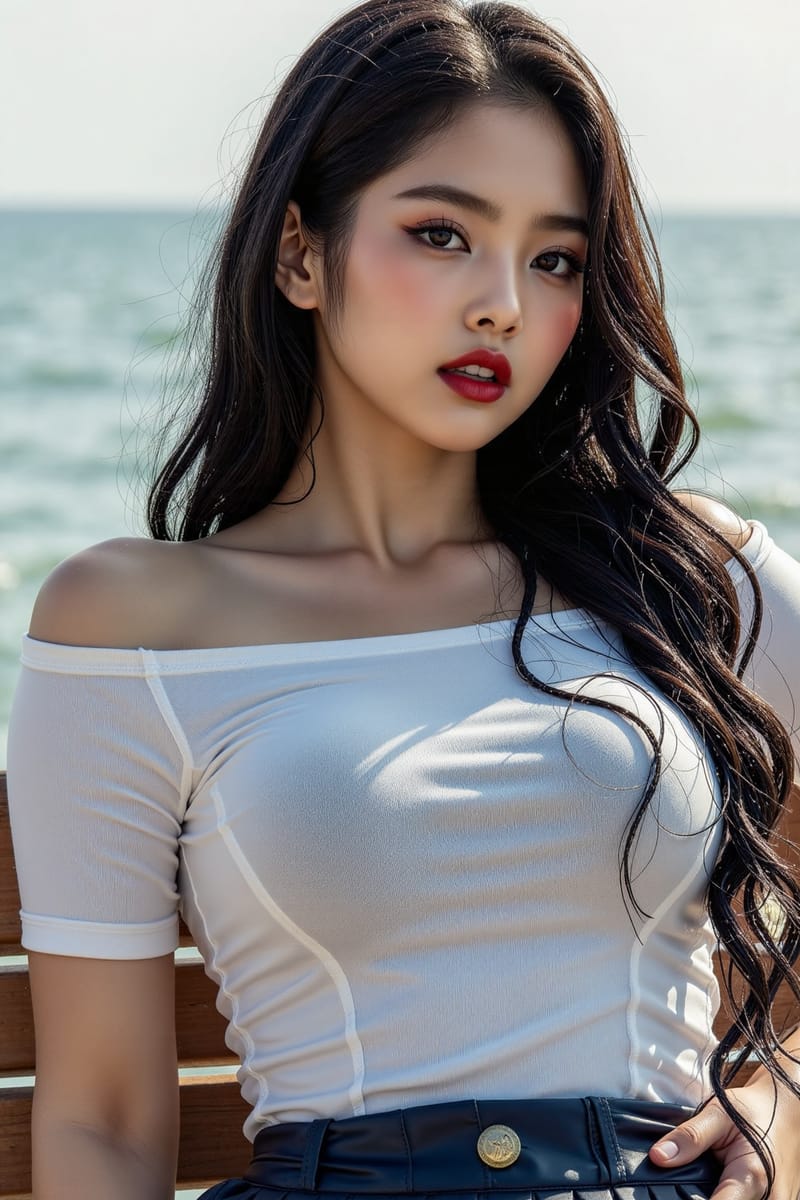
Show almost anyone an AI image and they will know, often within a second, even if they cannot tell you how they knew. There is a look. You have probably felt it yourself, scrolling past something technically impressive that still reads, instantly, as generated. That recognition is not magic. It comes from a small set of specific tells, and once you can name them, you can start removing them.
Here is the part that surprises people. The AI look is not a quality problem. The images are often technically flawless: perfectly lit, perfectly smooth, perfectly symmetrical. That flawlessness is exactly the tell. Real images, the ones our eyes trust, are full of small imperfections, and their absence is what trips the alarm.
So the craft is not making the image better in the usual sense. It is making it less perfect, on purpose, in the specific ways real images are imperfect. Here is what gives AI work away, and how to add the realness back.
|
|
The Tells
What gives it away.
|
|
A handful of giveaways do most of the work. If an image reads as AI, it is usually one or more of these:
• Waxy, textureless surfaces. Skin with no pores, materials with a plastic sheen, everything a little too clean.
• Perfect symmetry and even light. Faces and scenes balanced to a fault, lit evenly, with no shadow that feels accidental.
• The over-saturated glow. That hyper-vivid, slightly glowing color grade no real camera produces.
• The vacant face. Pretty, generic features, and eyes that do not quite focus on anything.
• Detail everywhere, hierarchy nowhere. Every corner sharp and ornate, nothing left soft, so the eye has no place to rest.
Notice the thread. Every one of these is a kind of over-perfection. The model adds; realness usually comes from what is left rough.
|
|
The Fix
Add the imperfection back.
|
|
The fix is to ask for the imperfection the model strips out by default. Name it directly: visible skin texture and pores, natural asymmetry, a few stray hairs, slight wear on the surfaces. The model can do all of this. It just will not unless you ask.
Then borrow the imperfection of the real world by naming a real capture medium. Shot on 35mm film carries grain and a color response no clean render has. A specific lens brings real depth of field and a little distortion. Harsh single-source light, a touch of underexposure, a shadow falling where it should: these read as real because cameras and rooms actually behave that way.
Finally, give the eye somewhere to rest and somewhere to be fooled. Shallow depth of field lets parts go soft, which both creates focus and hides the over-rendering. And a small pass in editing finishes the job: a little grain, a muted grade, an off-center crop. Every one of these moves puts back the human noise the model removed.
|
|
The Deeper Point
Flawlessness is the giveaway.
|
|
It is worth sitting with why this works, because it runs against instinct. We are trained to chase perfection, and the model delivers it effortlessly. But perfection is precisely what marks an image as machine-made. Our eyes grew up on a messy, asymmetrical, imperfect world, and they read imperfection as real. Strip it out and the image looks correct and feels fake at the same time.
So realness is not something you add on top of a good image. It is restraint, specificity, and a willingness to leave things rough. The most convincing AI work is often the least impressive at first glance, because it does not announce itself. It just looks like a photograph someone took, which is the highest compliment a generated image can receive.
|
|
The Bigger Picture
Soon, looking real will be the rare skill.
|
|
Step back and this is becoming one of the more valuable skills in the craft. As AI images flood every feed, the flawless, glowing, over-rendered look is becoming shorthand for low effort. The work that stands out is increasingly the work that does not look like AI at all, the image that makes a viewer assume a person made it by hand or caught it with a camera.
So the next time a generation comes back technically perfect, pause before you celebrate. Ask what a real photo would get slightly off, and put one of those things back. The skill the tools cannot give you is knowing which imperfections make something feel true.
|
|
•••
I am putting together a realism pack, the exact phrases that add back what the model strips out: skin and surface texture, film stocks and lenses, lighting flaws, and the small imperfections that make an image read as real. Each one a line you can paste into a prompt.
Want it when it ships? Reply with send me the realism pack and I will get it to you.
|
|
A QUESTION FOR YOU
What tips you off first that an image is AI?
Reply and tell me the tell you spot first. We all have one we are most sensitive to, and yours is probably the one to attack first in your own work.
If this was useful, forward it to a creator whose work is technically perfect and still reads as AI.
|
|
Until next time,
Luxe Prompting
|
|
Luxe Prompting
AI Image Generation for Creators
|
|