In partnership with

LUXE PROMPTING
PRODUCT PHOTO WORKSHOP
3 Product Photo Prompts to Test at Thumbnail Size
A ceramic mug can turn into a green cylinder in a shop grid. The handle was there. The crop took it away. Use three original Luxe prompts and their reference images to decide whether a shot needs a new crop, new lighting or a second render.
You know the problem. Now build the fix.

You've spent years close to a broken industry or process. You know exactly what would fix it. But you’ve never had the time or resources to make it happen.
With Lovable, your expertise is all you need. Describe the solution to your problem — a website, a dashboard, an internal tool — and get professional-grade software back. You make every call on how it works, because you're the one who knows what it needs to do.
Start today and take $5 off your first month.
Discount of $5 applies to first month of any paid plan. You need to sign up via this webpage in order to claim the discount. The discount applies to new and returning users without an active paid plan. Terms apply.
The Short Version
- Check the ceramic mug at thumbnail size for a clean handle opening.
- Crop the linen tote square and trace which parts support the bag.
- Read the candle by its edges before correcting reflections.
Build a comparison you can trust
Duplicate a reference image. Keep the original beside a copy cropped to fit your actual shop tile or email card. Move the crop first. Regenerate when the detail you need is missing from the full frame. These fictional products come from the Luxe archive.
1. The mug handle at thumbnail size
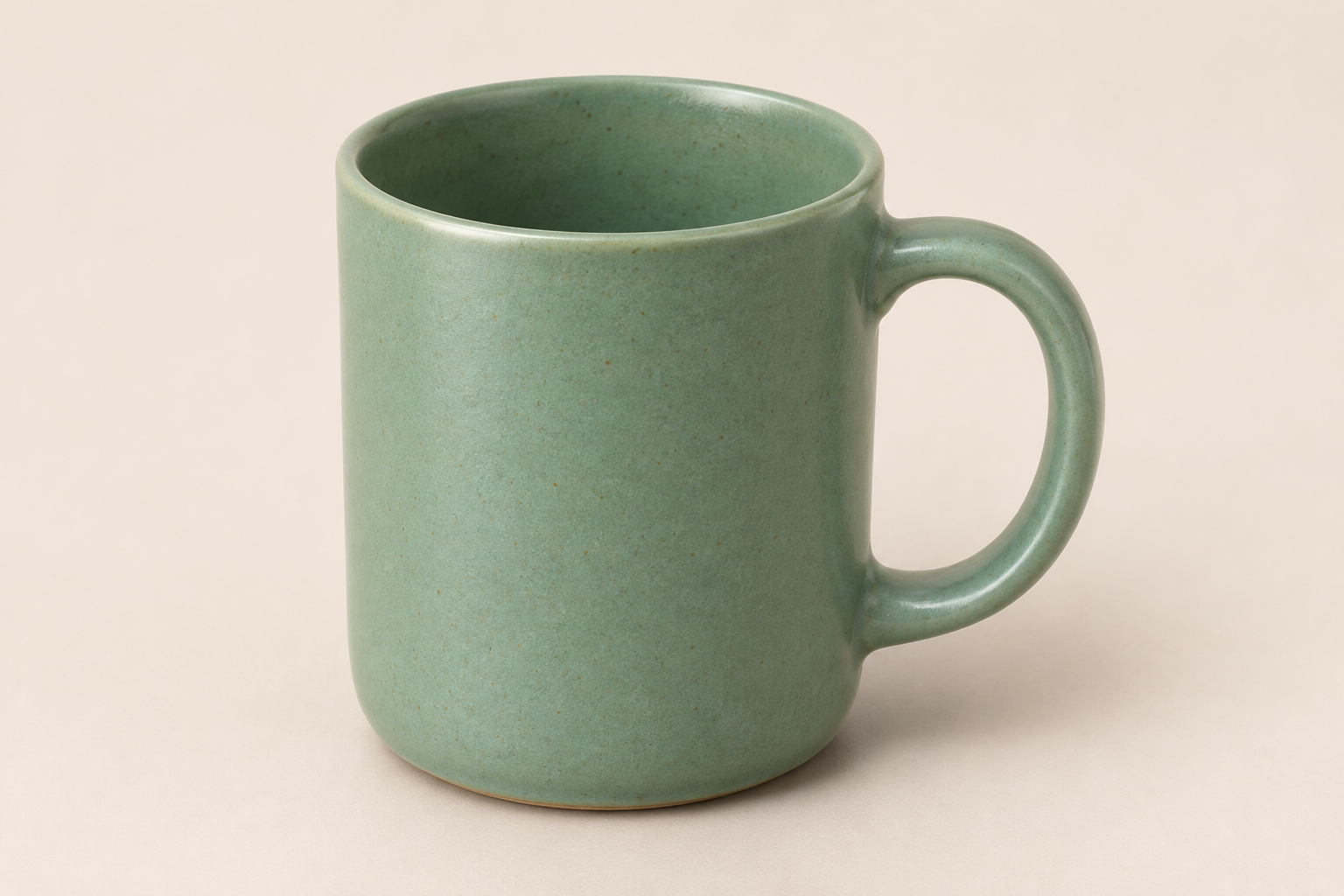
Luxe original concept. Trace the hole inside the handle before you inspect the glaze.
Create a landscape 3:2 photorealistic product concept image of one entirely fictional, unbranded ceramic mug for a clean storefront catalogue. The mug has a simple upright cylindrical body, a gently rounded base, one oval handle and a muted sea-green satin glaze with very fine natural-looking speckles. Show the complete mug from a slightly elevated three-quarter angle so the rim, empty interior and open handle are all visible. Place it on a warm off-white seamless studio surface with a continuous quiet background and ample clear space around the silhouette. A broad diffused light from the upper left should create a soft highlight on the glaze, a subtly darker right side and one restrained contact shadow beneath the base. Keep the whole mug in focus, including both handle attachments, without an extreme wide-angle effect or a shiny mirrored floor. The handle must visibly join the body at two plausible points, and the base must rest on the surface. Prioritize a readable outline and believable ceramic texture over decoration. No liquid, steam, saucer, spoon, plants, people, hands, lettering, labels, logos, watermark or claims about a real product.
Give the handle some air
Shrink the mug to postage-stamp size. Can you see through the handle? Slide the right crop edge inward until it touches the loop. The glaze still looks good, but the shape gets harder to read. At full size, also check the thin tan line at the foot against your reference.
Luxe variation to try: “Keep the angle and lighting. Leave one handle-width of blank background beyond the handle.” Compare both versions at thumbnail size. Look for two visible handle attachments.
2. The tote under a square crop
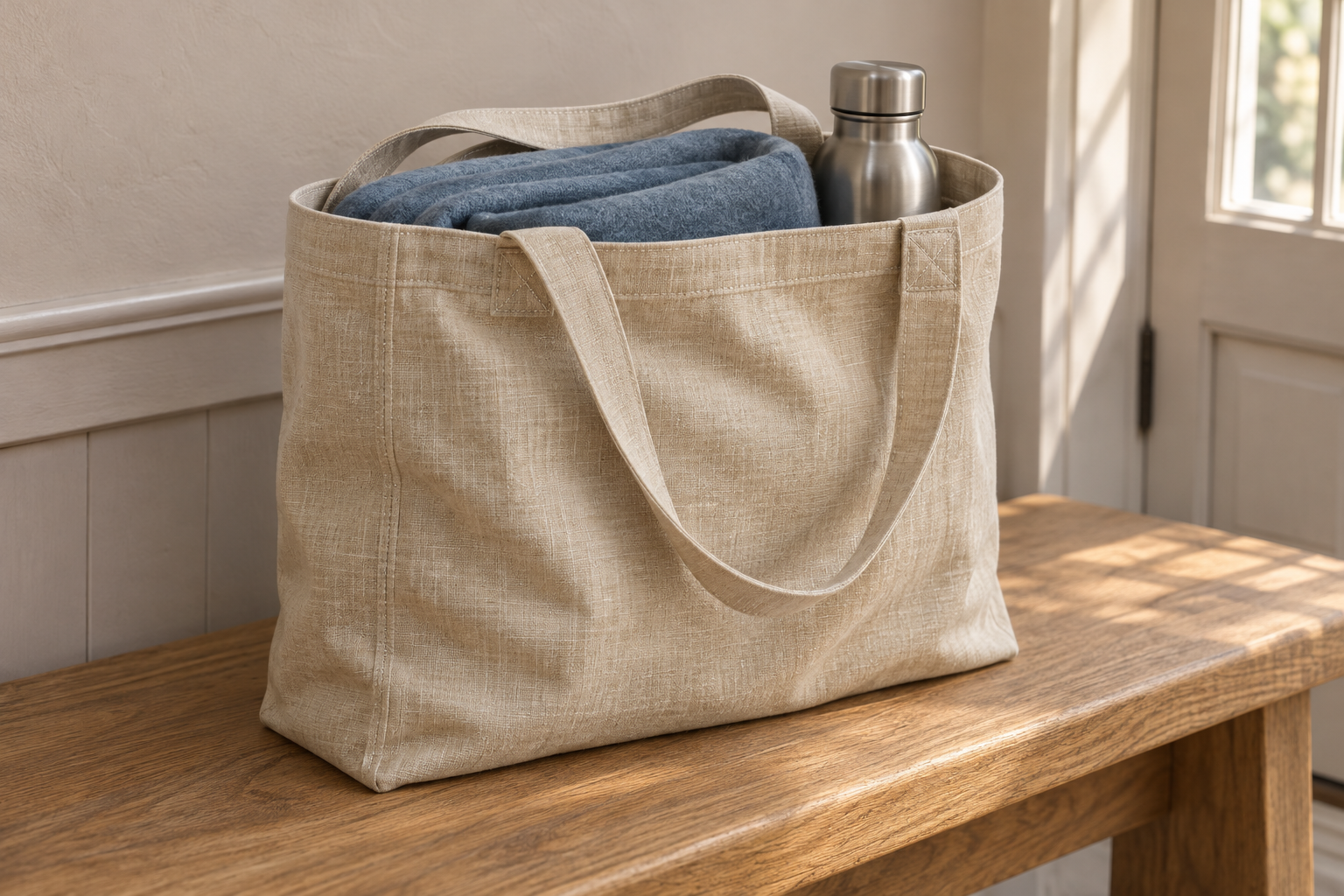
Luxe original concept. Follow the front handle from one stitched attachment to the other.
Create a landscape 3:2 photorealistic lifestyle product concept image of one entirely fictional, unbranded natural-linen tote bag standing on a broad oak bench in a quiet sunlit entryway. The bag has a rectangular body, a flat gusseted bottom, two plain fabric handles and clearly visible stitched seams. Its base rests fully on the bench, with soft folds and a slight sag appropriate to woven cloth rather than a rigid box. A folded muted-blue picnic blanket partly fills the bag and is visible at the opening; one plain brushed-steel bottle stands beside the blanket inside the bag, supported by the contents. One handle drapes naturally across the front of the bag, while the other rests behind the opening against the contents; neither handle floats upright. Show the complete bag and both handle attachments from bench height at a three-quarter angle. Soft window light from the side reveals linen weave and seams, with a gentle contact shadow on the wood. Keep the entryway wall softly detailed and the palette restrained: linen cream, warm oak, muted blue and steel grey. The tote is the main subject, not a room-decor photograph. No people, hands, decorative foliage, labels, embroidery, words, logos, extra bags, watermark or assertions about real capacity or materials.
Find the shoulder strap that floats
Crop the tote square. Trace the front strap to both seams. The rear loop arches over the blanket. Crop away the bottom and the bench disappears along with the folds that show what supports the bag. Restore the bench before editing the prompt.
Luxe variation to try: “Let the rear handle settle against the blanket, bending where it touches the blue cloth.” Keep the bench, camera height and contents fixed so you can judge the strap edit.
3. The candle against a darker background
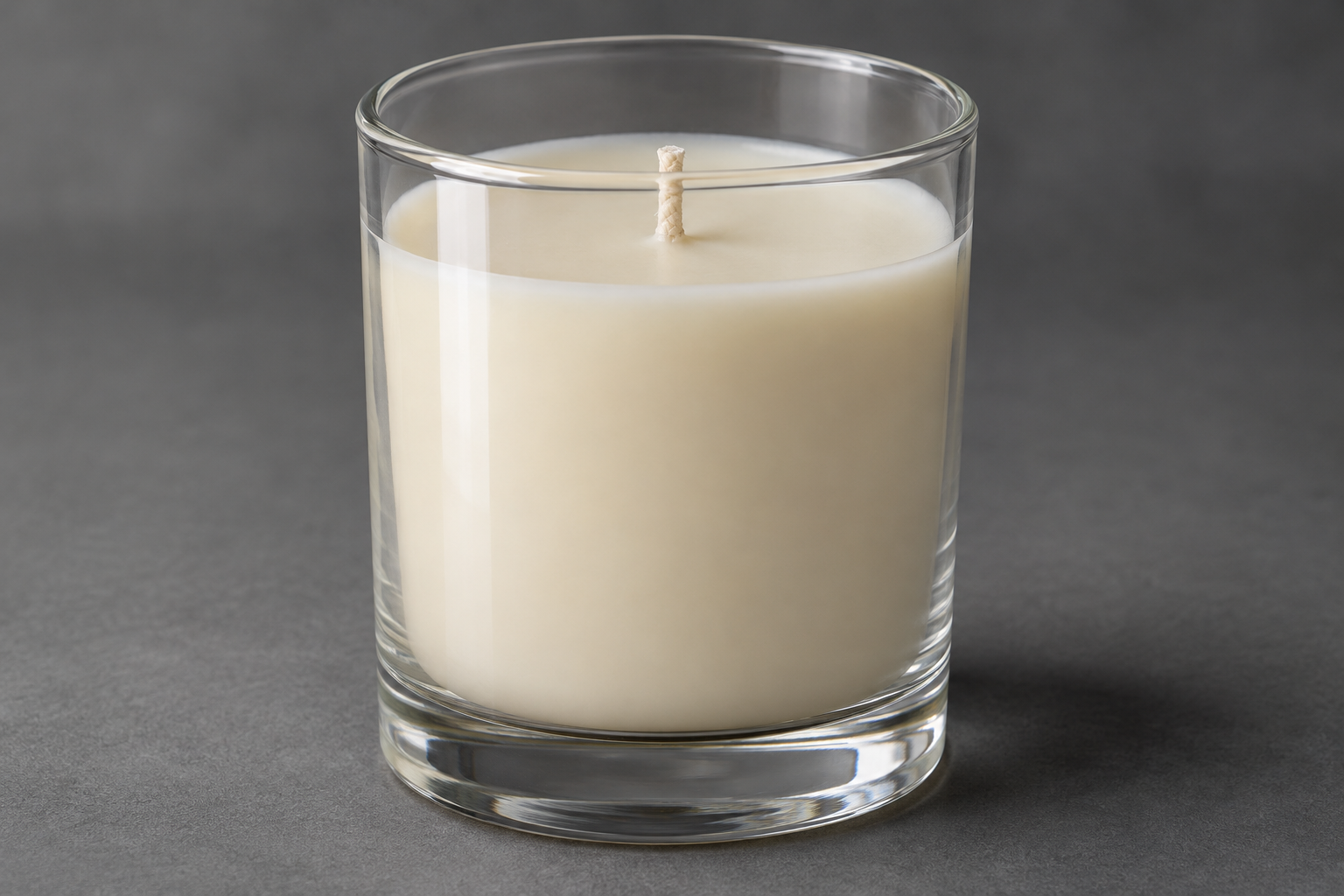
Luxe original concept. Compare the edge of the wax with the bright bands in the foot of the jar.
Create a landscape 3:2 photorealistic close product-detail concept image of one entirely fictional, unbranded candle in a clear cylindrical glass jar. The jar has a thick transparent base, straight smooth walls and a rounded rim; pale ivory wax stops below the rim, with one short unlit cotton wick centered in the smooth wax surface. Show the entire jar from a slightly elevated close three-quarter view, leaving a narrow clear margin around its top and base rather than cropping either edge. Place it firmly on a matte slate-grey surface against a softly blurred darker grey background. Use a tall broad diffused light at the side to create one clean vertical reflection on the glass, plus a very subtle opposite fill so both edges remain readable. Preserve the contrast between transparent glass, opaque matte wax and the dry woven wick. Keep the near glass edge, wax level and wick sharp; let only the distant backdrop soften. The glass should have plausible thickness and a single supported contact shadow, not a doubled jar outline. No flame, smoke, lid, label, fragrance ingredients, decorative props, people, hands, text, logos, watermark or performance claims. This is an invented visual concept, not evidence of an actual candle's construction or safety.
Separate the jar from its reflections
Cover the bottom quarter of the candle. The rim, wax and wick still describe the object. Uncover it and count the bright bands around the base. At thumbnail size they can resemble a second jar. For the first revision, change what the glass reflects.
Luxe variation to try: “Keep one tall, soft white reflection on the left and a dark matte surface opposite.” Look for the wick against the back rim and the base against the slate. If either vanishes, ease back the change.
Write the art direction in one sentence
Hand the two versions to a colleague. Ask which details survive in the thumbnail. “I can see through the handle against the pale background” is specific enough to guide the next edit. Reply with the detail that disappeared first in your crop.
Source Desk
The three reference images and prompts are original Luxe exercises. The links open the full-size reference images used above.
A clearer brief. A more useful result.